Helsinki · Espoo · online

Maths where you have to think, not remember a rule

A club for grades 1–5 in the tradition of mathematical circles. The autumn semester begins on 31 August.

Choose a group How a lesson runs

Enrolment stays open until lessons begin

Try it yourself

Move one matchstick to make the equation true.

+=

11groups this autumn
4venues plus online
16topics in a semester
10children per group at most

Who teaches

The people who wrote the programme teach it

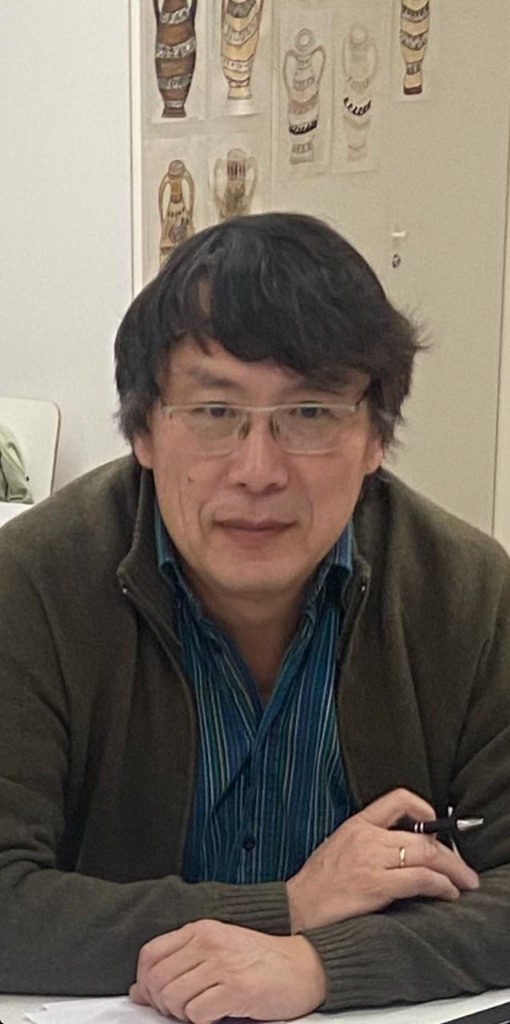
Natalia and Yuri Gatanov developed the method the club works by. They teach the lessons themselves.

Yuri Gatanov
Teacher, methodologist

Yuri Gatanov

PhD in PsychologyOver 40 academic papers10 books

A psychologist of intelligence and creativity. At his invitation, seminars were given by Howard Gardner — author of the theory of multiple intelligences — and by Robert Sternberg and Elena Grigorenko of Yale: researchers whose work is studied the world over.

His own courses in creative thinking for children aged 5–14 are published separately for each age and built on Joseph Renzulli's programmes. His research has appeared in the United States, Poland and Latvia. Teams of his students have placed at Odyssey of the Mind in Berlin and Paris.
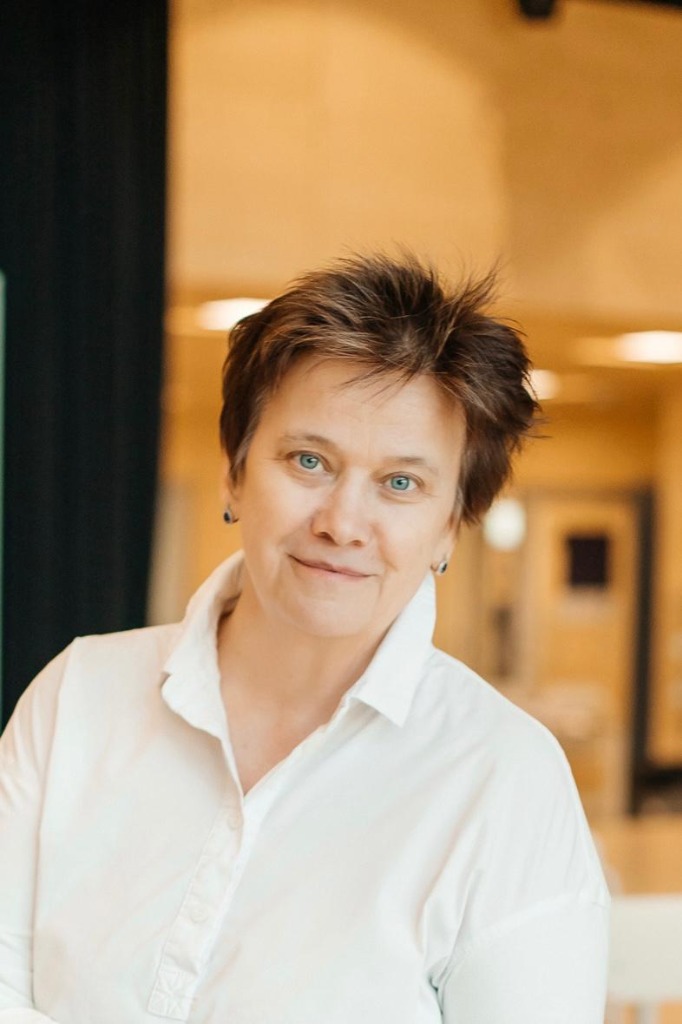
Natalia Gatanova
Founder of the club, lead teacher

Natalia Gatanova

PsychologistCo-author of the MIKEBI technology

She teaches and is responsible for how the club's programme is put together. Co-author of the MIKEBI educational technology for children's cognitive development and co-author of an encyclopaedia of school readiness, which ran to four editions.

Her field is family and child psychology: in a lesson you see not only whether a child solved the problem, but why they stopped trying.

Both are academic directors of the EO STEM JAM concept and take part in research together with the universities of Paris and Yale. Four EO STEM JAM and EO STEM Lab events have been held in Finland under this concept. They were preceded by eleven in-person ExpoOlympia olympiads, which more than 11,000 children took part in.

Method

The tradition of mathematical circles

The approach is sometimes called russian math — not because the lessons are in Russian, but because of a tradition in which the problem comes before the finished rule. The child looks for a way in, tests a guess and explains it out loud. The rule arrives at the end — as a conclusion, not as something to memorise.

The problem before the rule

Knights and liars, truth tables, Venn diagrams. A child learns to test a statement rather than guess the expected answer.

Geometry by hand

Origami and kirigami: fold, cut, unfold — and see where angles, areas and symmetry come from.

Olympiad technique

Invariants, graphs, the pigeonhole principle, combinatorics with constraints. By grade four children are building proofs.

The method left the language it was invented in long ago: in the United States, schools working this way have been written about by The Atlantic and NPR. We work in the same tradition — in Espoo and Helsinki, in three languages.

What changes in a child

Three problems that show the difference

These are real topics from the programme — one from each level. Look past the maths in them at what each one teaches.

Grade 1

“Who lives where?”

Three houses, three residents and a handful of clues, none of which gives the answer on its own. The only way through is to cross out what cannot be.

Holds several conditions in mind at once and sees that “this cannot be” is knowledge too.
Grades 2–3

“Knights and liars”

One islander always tells the truth, the other always lies, and from what they say you have to work out which is which. Guessing does not work — each assumption has to be followed to the end.

Tests a guess instead of defending it. A contradiction stops being a dead end and becomes the answer.
Grades 4–5

“What does not change”

An invariant is a quantity that stays the same whatever you do to the problem. Having found it, the child proves that no solution exists at all. Not “I couldn't do it” but “nobody can”.

Proves for the first time instead of answering. This is the shift the whole thing is for.

None of them prepares a child for a test. They change something else — how a child takes on a problem they have never seen before, and how long they will stay with it before saying “I don't know”.

Autumn semester · 31 August – 23 December

Schedule and prices

You can sign up straight from a day card. Click a group's name to see its programme.

Child's grade

Monday

SVK · Kaarelankuja 2b, 00430 Helsinki
280 €per semester

≈16 lessons, about €18 a lesson

Sign up

Tuesday

Online · Zoom / Google Meet
120 €per month
Sign up

Wednesday

Aarnivalkean koulu · Aarnivalkeantie 9E, 02100 Espoo
280 €per semester

≈16 lessons, about €18 a lesson

Sign up

Thursday

Tapiolan asukaspuisto · Louhenkuja 4, 02130 Espoo
510 €per semester, 2×255 €

≈15 lessons, about €34 a lesson

Sign up

Friday

Mankkaan makasiini · Vanhan-Mankkaan kuja 2, 02180 Espoo
25 €per lesson
Sign up

Club life

What it looks like

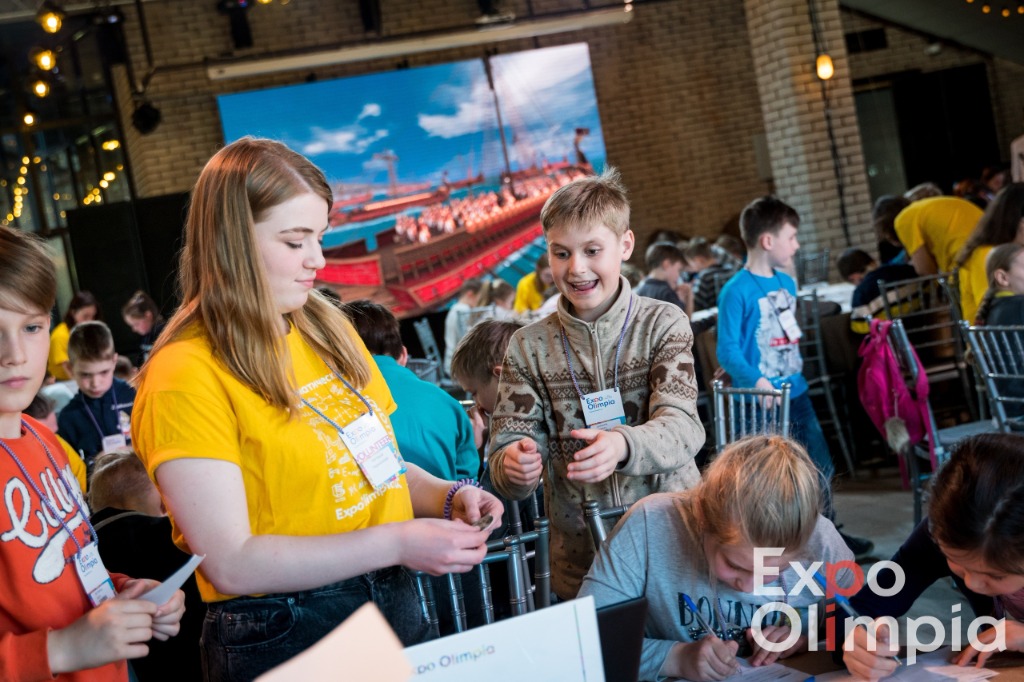
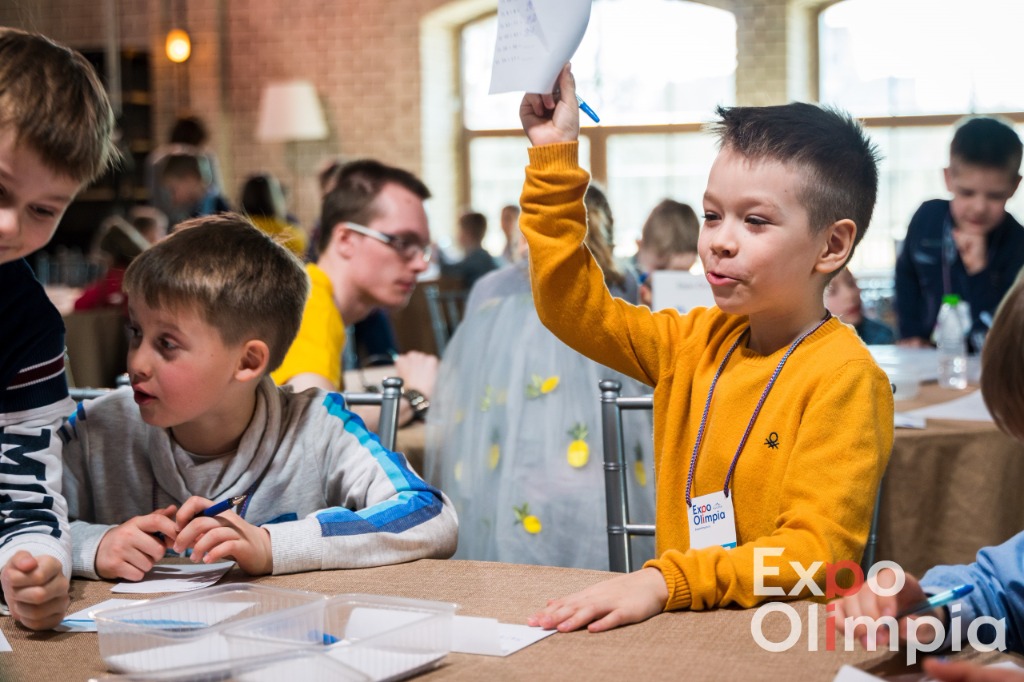
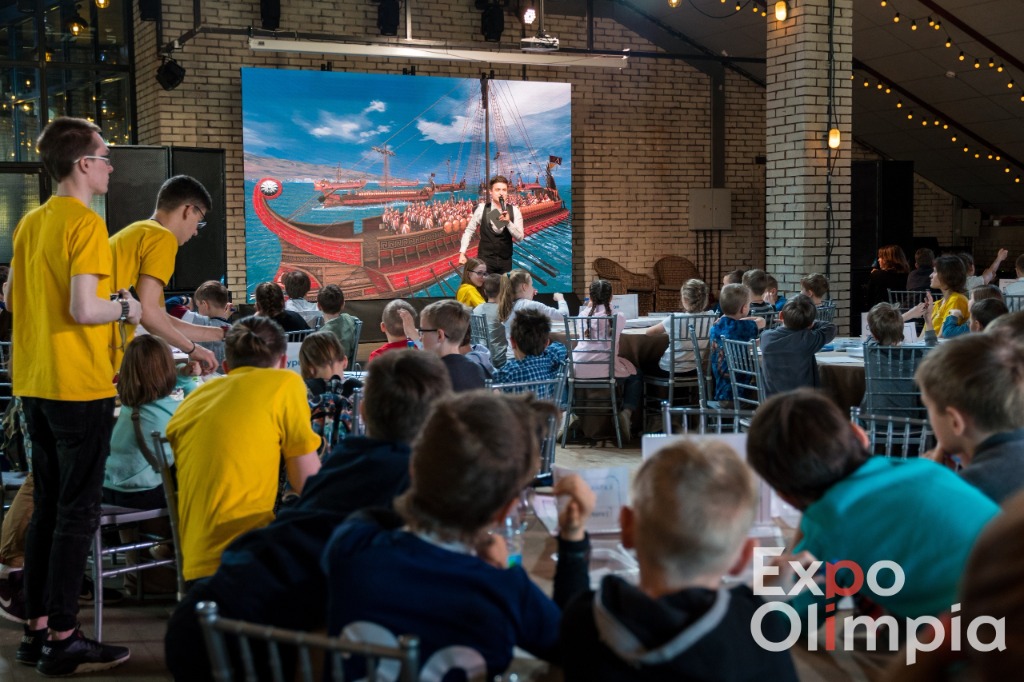
Children at an ExpoOlympia olympiad
A group lesson
Working in class
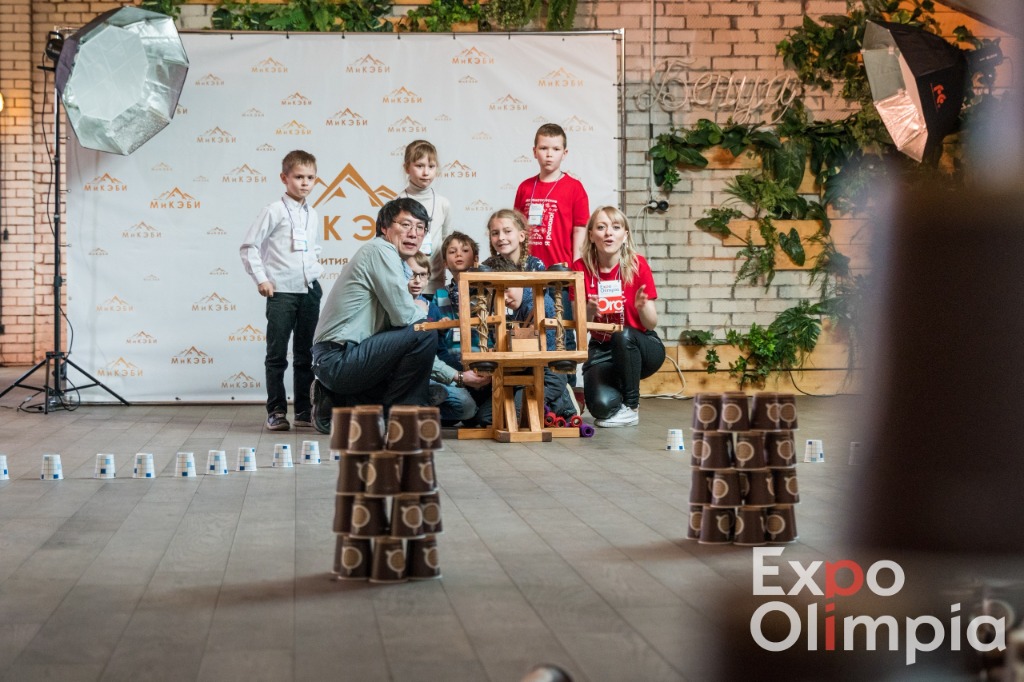
Teamwork
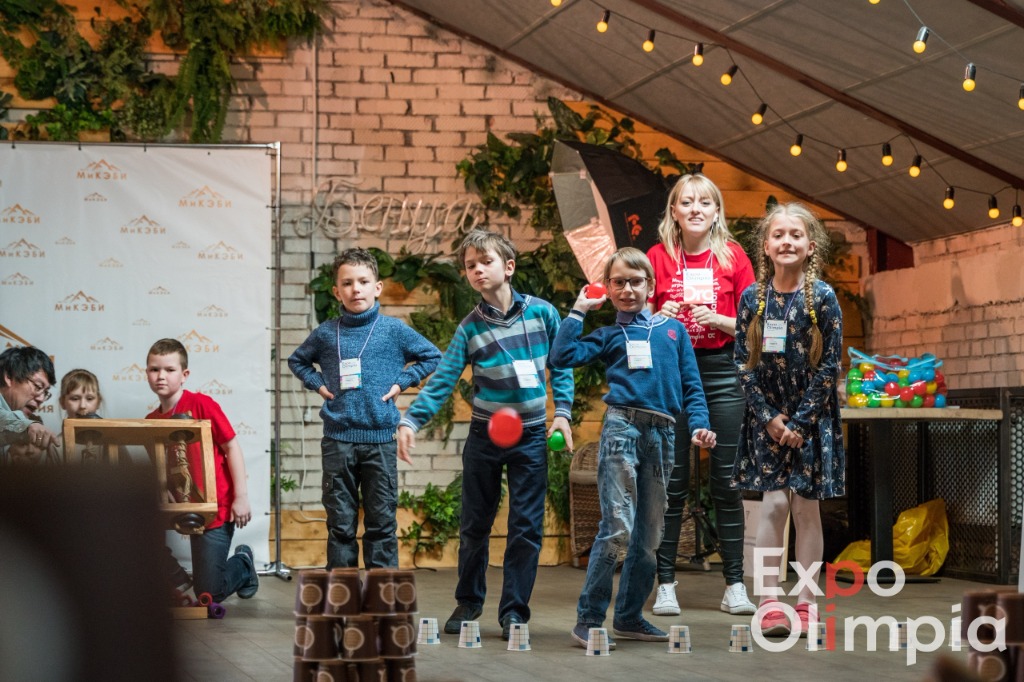
Children at a game

Terms

What happens after you apply

Confirmation first, commitment second

Applying costs nothing and commits you to nothing. We reply, confirm a place in the group, and only then does the registration become a commitment to pay for the semester.

You can cancel

  • A month before or earlierfree of charge
  • Later, but at least 2 weeks before€20 fee
  • Less than 2 weeks before25% of the price
  • After the first lessonthe full price

We accept cancellations by email only — not by phone and not through a teacher.

Missed lessons

A missed lesson can be made up with another group if there is room. Missed lessons are not refunded or deducted. If a child is out ill for a long stretch, write to us with a certificate and we will sort it out separately.

The first lesson is an introduction

We enrol for a whole semester: the programme builds up and the topics rest on one another. But if it is clear after the first lesson that the format does not suit your child, you can withdraw and pay for that lesson only.

The autumn semester begins on 31 August

Tell us which grade your child is going into and we will find a group by age and a day that suits.

Sign up
Autumn semester · 31 AugustSign up